Trees add beauty, shade, and value to a property, but they can become a concern when damaged, declining, or growing too close to structures. Knowing when a tree needs attention helps maintain a safe, attractive outdoor space. Professional tree removal can be a valuable investment when a tree becomes hazardous or limits how a property is used. This article explains how tree removal can improve safety, support landscape health, protect nearby structures, and maintain property value.
Improving Safety Around the Property
One of the main reasons to consider tree removal is to reduce safety risks. Trees can become unstable due to disease, storm damage, root problems, or age. Weak trunks and large branches may fall, posing a danger to people, vehicles, buildings, and other parts of the property. Warning signs include trunk cracks, leaning growth, exposed roots, and dead branches. However, some problems may not be visible from the ground. A professional assessment can help determine whether a tree presents a safety concern. Removing a hazardous tree can reduce the risk of falling branches and property damage, especially near driveways, walkways, and outdoor seating areas. Addressing these concerns early may also help prevent costly emergency repairs.
Protecting Nearby Structures and Features
Trees need room to grow, but their size and location can sometimes create problems for nearby structures. Large branches may extend over roofs, sheds, fences, or other features. As branches grow and shift, they can scrape surfaces, interfere with access, or increase the chance of damage during strong winds. Trees planted close to buildings may also create maintenance concerns as their canopies expand. Roots can present another challenge. Depending on the tree species, soil conditions, and available space, roots may affect nearby walkways, patios, retaining walls, or underground structures. Not every large root system causes damage, but changes in the surrounding landscape may make it necessary to review the tree's location and condition.
Professional tree removal can help address these concerns when a tree poses an ongoing risk to nearby property. Removing a poorly positioned or severely damaged tree may create more space around structures and reduce the chance of future conflicts. A professional assessment can also help determine whether removal is appropriate or whether another approach may address the problem. Taking action before damage becomes more serious can help property owners manage maintenance costs. It can also make it easier to plan future improvements without having to work around a tree that has become difficult to accommodate.
Supporting Healthier Landscape Growth
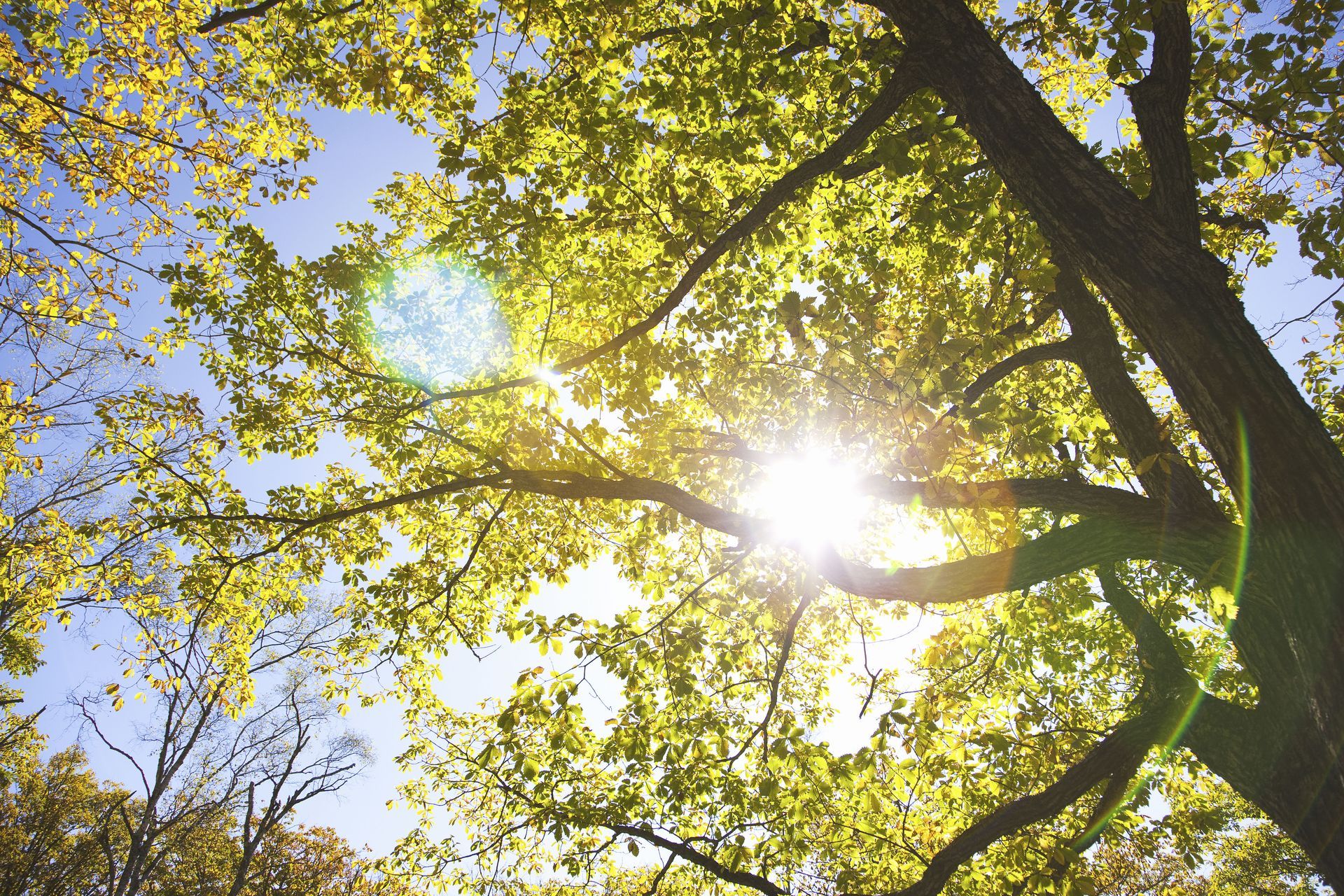
A balanced landscape depends on more than the number of trees on a property. Trees need adequate space, suitable growing conditions, and access to resources such as sunlight and water. When trees become overcrowded, they may compete with nearby plants for these resources. Dense growth can also affect airflow and limit the amount of sunlight that reaches lawns, gardens, and other parts of the landscape. In some cases, removing a tree can help create better growing conditions for the plants that remain. Opening an area to more sunlight may support grass growth or give other trees and shrubs more room to develop. It can also help make a landscape feel less crowded, especially when mature trees have grown beyond the available space.
Tree health is another important consideration. A tree affected by severe disease or extensive decay may become a concern for nearby vegetation, depending on the cause of the problem. Professional evaluation can help identify possible risks and determine whether removal is needed to protect the surrounding landscape. Not every unhealthy tree needs to be removed. Some trees may benefit from appropriate care, while others may have structural problems that cannot be addressed effectively. Reviewing the condition of the tree and its effect on nearby growth helps property owners make decisions that support the long-term health of the landscape.
Increasing Usable Outdoor Space
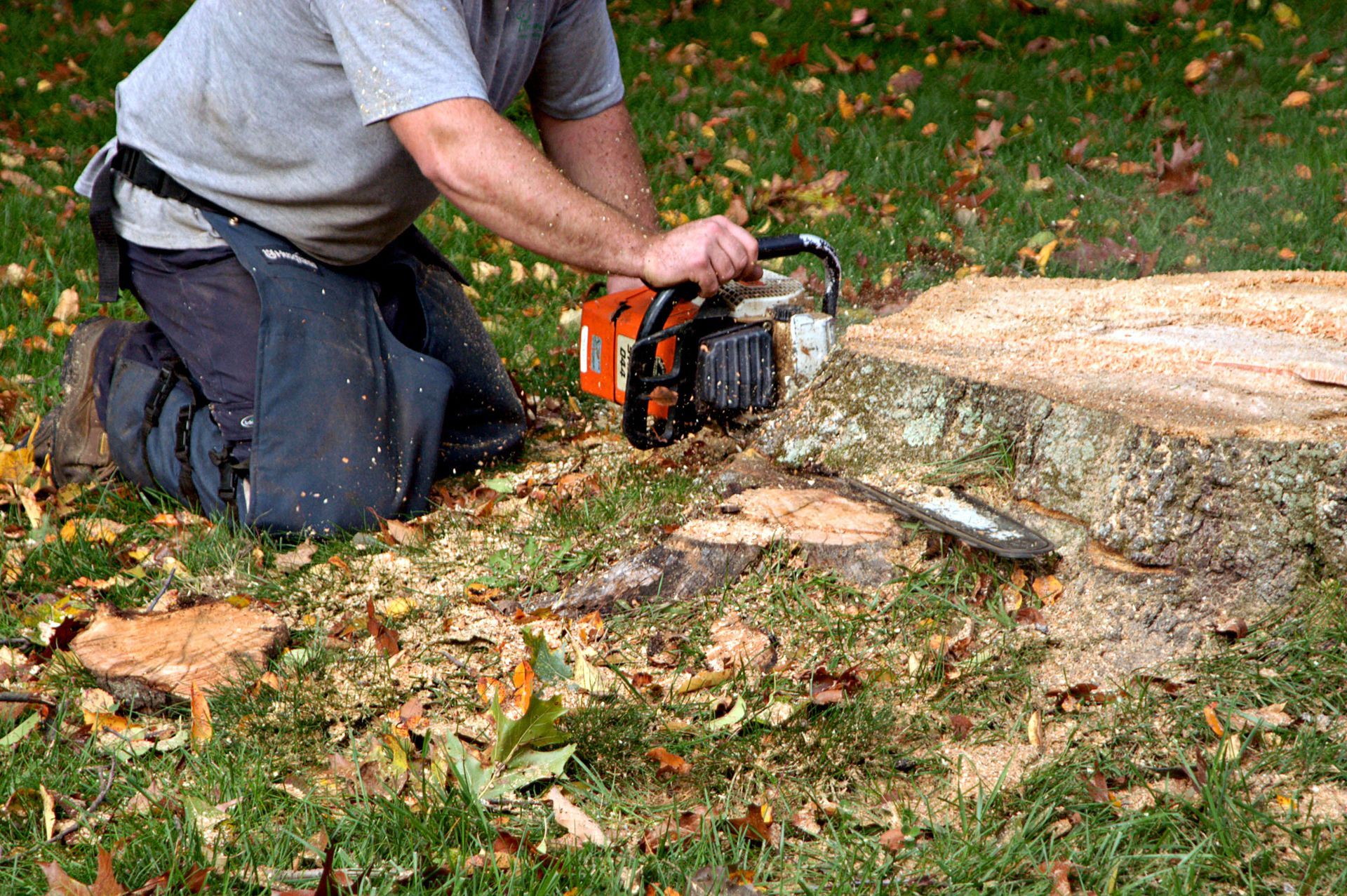
As trees mature, their canopies and root systems can occupy more of the available space. A tree that once fit comfortably in a yard may eventually shade large areas, block access, or interfere with plans for outdoor use. This can make it harder to arrange seating, maintain open lawn areas, or use certain parts of the property. Removing a tree that no longer fits the needs of the landscape can provide more room for other activities. An open area may become easier to maintain, and improved sunlight can make the space more suitable for grass or selected plants. Removing an obstructive tree may also improve access to parts of the yard that have become difficult to reach.
Property owners should consider how the entire landscape will look and function after a tree is removed. Trees provide shade, privacy, and visual interest, so removing one can change the character of an outdoor area. A clear plan for the space can help maintain balance and prevent the landscape from feeling incomplete. Seeking professional help can make it easier to assess the tree's size, location, and effect on the surrounding property. With careful planning, removal can support a more functional outdoor environment while leaving room for future landscaping improvements.
Maintaining Property Value and Appeal
The condition of a property's outdoor areas can influence its overall appearance and perceived value. Healthy trees can make a yard feel established and inviting, while damaged or poorly positioned trees may create concerns for visitors and potential buyers. Dead branches, visible decay, and signs of instability can make a property appear neglected, even when other areas are well maintained. Removing a tree that presents a clear hazard or detracts from the landscape may improve the property's appearance. It can also make outdoor areas easier to maintain and help create a more open, organized layout. These changes may be valuable when preparing a property for sale or planning broader improvements.
The financial benefits of tree care can extend beyond appearance. According to U.S. News, tree care yields an average return on investment of 87%. This figure highlights the potential value of maintaining trees and managing a landscape thoughtfully. While the return can vary depending on the property and the work performed, caring for outdoor spaces can contribute to their long-term appeal. Tree removal should be considered as part of a broader property maintenance plan rather than an automatic way to increase value. Removing a healthy, attractive tree without a clear reason may reduce shade or curb appeal. Evaluating the tree's condition, location, and role in the landscape can help property owners decide whether removal is a worthwhile investment.
Reducing Long-Term Maintenance Concerns
Trees require ongoing attention as they grow and respond to changing weather conditions. Older or damaged trees may need closer monitoring, particularly when they stand near structures or frequently used areas. Broken branches, falling debris, and visible signs of decline can create recurring maintenance concerns that become harder to manage over time. Professional tree removal can help address these concerns when a tree has reached a point where keeping it is no longer practical. Removing a problematic tree may reduce the need to deal with repeated branch failures or continued concerns about its stability. It can also simplify maintenance in areas where a tree's growth has made routine property care more difficult.
Planning ahead can be more manageable than responding to a sudden failure. A tree that falls during a storm may damage nearby structures, block access, or require urgent attention. While removal cannot prevent every weather-related problem, addressing known hazards can reduce some of the risks associated with weakened trees. Property owners should also consider the ongoing needs of the remaining landscape. Once a tree is removed, the surrounding area may need attention to address the remaining stump, disturbed soil, or changes in sunlight and drainage. Planning for these effects can help the property recover and maintain a neat appearance.
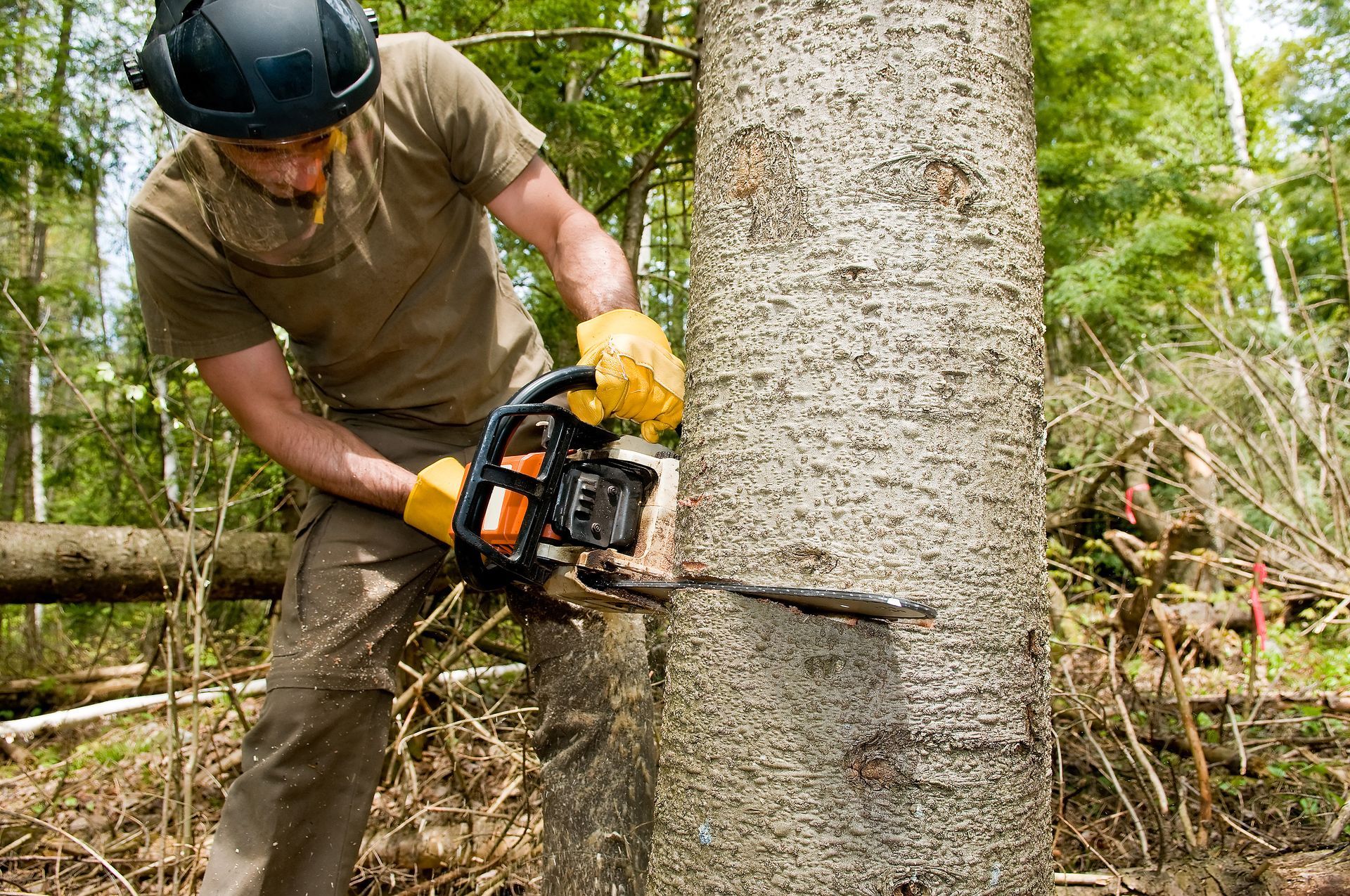
Tree removal requires careful planning, as a tree's size, condition, and location can affect nearby structures and the surrounding landscape. Professionals can assess potential risks, explain available options, and plan the work accordingly. Seeking help early is especially important when a tree is damaged or unstable. Trees can become safety concerns as they age or grow. Professional tree removal can reduce hazards and make outdoor spaces easier to maintain. Contact Beaulac Brothers Landscaping & Tree Service for tree removal and landscape care.

Share On: