Trees add beauty, shade, and character to residential and commercial properties, but they also require ongoing attention throughout their lifespan. While healthy trees can enhance curb appeal and create a more enjoyable outdoor environment, those that have become diseased, unstable, damaged, or overcrowded may eventually present serious risks. Ignoring these warning signs can lead to expensive repairs and unexpected safety concerns when branches or entire trees fail.
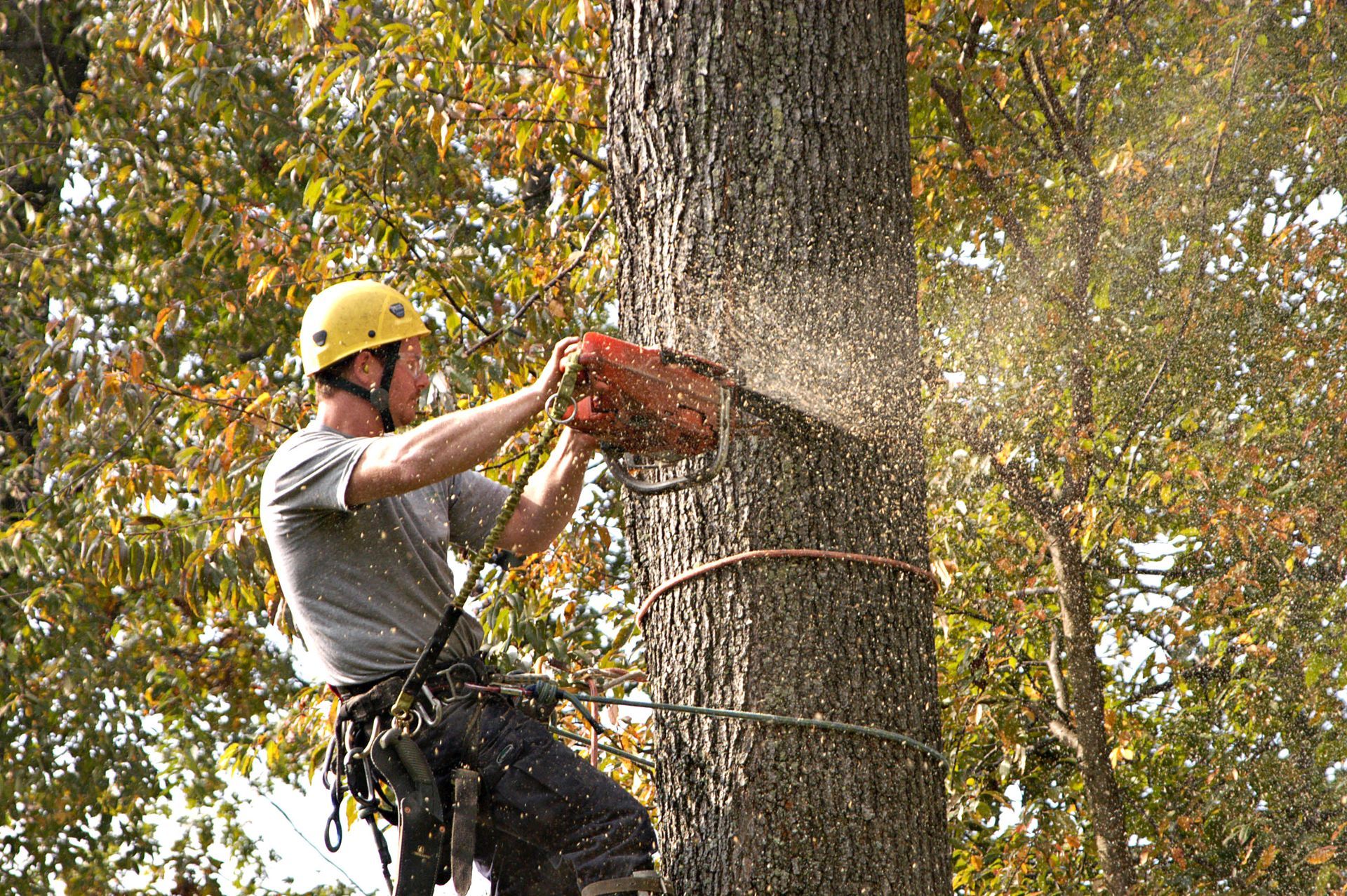
Professional local tree removals play an important role in protecting homes, businesses, and surrounding landscapes before problems become emergencies. Removing a hazardous tree at the appropriate time helps reduce the likelihood of structural damage while also improving the overall health and appearance of the property.
Rather than reacting after storms or accidents occur, property owners benefit from evaluating the condition of their trees proactively. Understanding how strategic removals protect buildings, utilities, and landscapes makes it easier to recognize why professional tree management is an important investment in long-term property care.
1. Protecting Roofs From Falling Limbs
Over time, branches naturally weaken because of age, disease, insect activity, weather exposure, or internal decay. Even trees that appear healthy from the ground may contain hidden structural defects that increase the likelihood of branch failure during heavy wind, rain, or snow.
Large limbs hanging over roofs present one of the most common hazards for homeowners. A falling branch can damage shingles, gutters, flashing, skylights, chimneys, and even the structural framing beneath the roof. Water intrusion often follows roof damage, creating additional problems that may not become apparent until much later.
Professional local tree removals eliminate dangerous trees before they have an opportunity to damage nearby buildings. By addressing risks early, property owners avoid more extensive repairs that often cost far more than preventive tree services.
2. Protecting Foundations From Aggressive Root Growth
Tree roots naturally seek moisture and nutrients, sometimes extending well beyond the visible canopy. While many root systems coexist peacefully with nearby structures, certain trees can gradually interfere with foundations, retaining walls, sidewalks, and driveways.
Expanding roots may contribute to cracked pavement, uneven walking surfaces, or shifting soil conditions around buildings. Moisture fluctuations caused by extensive root systems may also influence the stability of surrounding ground, particularly when trees are located very close to structures.
When an unhealthy or poorly positioned tree creates ongoing concerns, local tree removals help prevent future complications while allowing the landscape to be redesigned more appropriately. Addressing the issue before significant damage develops protects both the property’s appearance and its long-term structural integrity.
3. Protecting Utility Connections From Unexpected Failures
Trees growing too close to overhead utility lines create risks that extend beyond the property itself. Branches can interfere with electrical service, communication lines, and other essential infrastructure, particularly during severe weather. Additionally, branches that come into contact with utility lines may create hazardous situations that require immediate attention, making preventive tree management an important part of protecting both public infrastructure and nearby properties.
Falling limbs may interrupt power, damage service connections, or create dangerous conditions requiring emergency response. In some situations, unstable trees may also threaten underground utilities if root systems continue expanding into sensitive areas.
Professional evaluation helps determine whether pruning alone remains sufficient or whether complete removal offers the safest long-term solution. Experienced crews performing local tree removals understand how to work carefully around utilities while coordinating with appropriate providers whenever necessary. Their planning reduces unnecessary disruption while prioritizing safety throughout the project.
4. Protecting Outdoor Spaces From Storm Damage
Outdoor living spaces often represent a significant investment for homeowners. Decks, patios, fences, pergolas, outdoor kitchens, pools, and recreational areas can all be vulnerable when nearby trees become unstable.
Storms frequently expose weaknesses that developed gradually over many seasons. High winds place tremendous stress on compromised trunks and weakened root systems, increasing the chance that an entire tree could topple onto valuable structures or personal property.
Choosing professional local tree removals before severe weather arrives minimizes these risks considerably. Removing hazardous trees creates a safer outdoor environment while providing greater peace of mind whenever challenging weather conditions develop.
Preventive action also protects landscaping investments surrounding these outdoor spaces. Flower beds, ornamental shrubs, decorative hardscaping, and irrigation systems are far less likely to suffer extensive damage when unstable trees are addressed before they fail unexpectedly.
5. Protecting Drainage From Landscape Disruptions
Healthy drainage plays a vital role in protecting every property. When trees become unhealthy or eventually fall, they can disrupt natural water flow across the landscape in several ways.
Large root systems sometimes alter grading over time, while fallen trunks and heavy debris may obstruct drainage paths or contribute to erosion. Excess moisture collecting near foundations, walkways, or planting beds can gradually create additional maintenance challenges if drainage becomes compromised.
Professional assessment identifies trees that may eventually interfere with proper site drainage. Carefully planned local tree removals help preserve balanced landscape conditions while supporting healthier water movement throughout the property.
The financial value of preventive work often becomes apparent when compared with emergencies. According to LawnStarter, professional tree removal generally costs between $385 and $1,070, or approximately $10 to $14 per foot, making early planning easier for many property owners than responding after significant structural damage occurs.
6. Protecting Surrounding Trees Through Better Landscape Health
Not every tree on a property contributes positively to the landscape. Diseased, dying, or overcrowded specimens may compete aggressively for sunlight, water, and nutrients, weakening healthier neighboring trees over time.
When unhealthy trees remain in place, certain diseases or insect infestations may spread throughout the surrounding landscape. Removing affected trees promptly helps preserve stronger specimens while improving airflow and light penetration across the property.
Professional local tree removals support a healthier landscape by allowing desirable trees more room to mature naturally. The remaining vegetation often benefits from improved growing conditions, creating a more balanced and visually appealing outdoor environment.
This thoughtful approach encourages sustainable landscape management rather than simply reacting after widespread decline has already occurred. Healthy trees thrive when unnecessary competition and potential disease sources are responsibly addressed.
7. Protecting Long-Term Property Value Through Preventive Planning
Property value depends on more than attractive landscaping. Buyers, insurers, and property owners alike appreciate landscapes that appear well-maintained and free from obvious hazards.
Large dead trees, leaning trunks, visible decay, or damaged canopies often create concerns about future maintenance expenses. Even when damage has not yet occurred, neglected trees may influence how a property is perceived during inspections or evaluations.
Addressing these concerns before they escalate demonstrates responsible property care. Professional local tree removals help create a cleaner, safer landscape while reducing the possibility of future structural damage that could affect long-term value.
Preventive planning also allows tree removal projects to occur under more controlled circumstances rather than during emergencies. Property owners have greater flexibility in scheduling work, protecting nearby landscaping, and preparing the site carefully when removals are performed before urgent conditions develop.
Trees remain one of the most valuable features of any landscape when they are healthy, properly maintained, and appropriately located. However, aging, damaged, or diseased trees can quickly shift from being attractive landscape elements to becoming significant liabilities. Recognizing these risks early allows property owners to protect structures, utilities, outdoor living areas, drainage systems, neighboring vegetation, and overall property value before costly damage occurs.
If you are concerned about hazardous trees on your property, our team at Beaulac Brothers Landscaping & Tree Service is ready to evaluate your landscape and recommend professional local tree removals that prioritize safety, long-term property protection, and the health of your outdoor environment.
Share On: